
Blogging in 2025 isn’t what it used to be. Creators, businesses, and entrepreneurs aren’t just looking for a space to publish content—they want scalability, flexibility, and monetization options. That’s where a multi-tenant blogging platform comes in.
In this guide, we’ll break down everything you need to know about multi-tenant blogging platforms, why they matter, and how Dev Dominion is shaping the future of blogging with features built for growth.
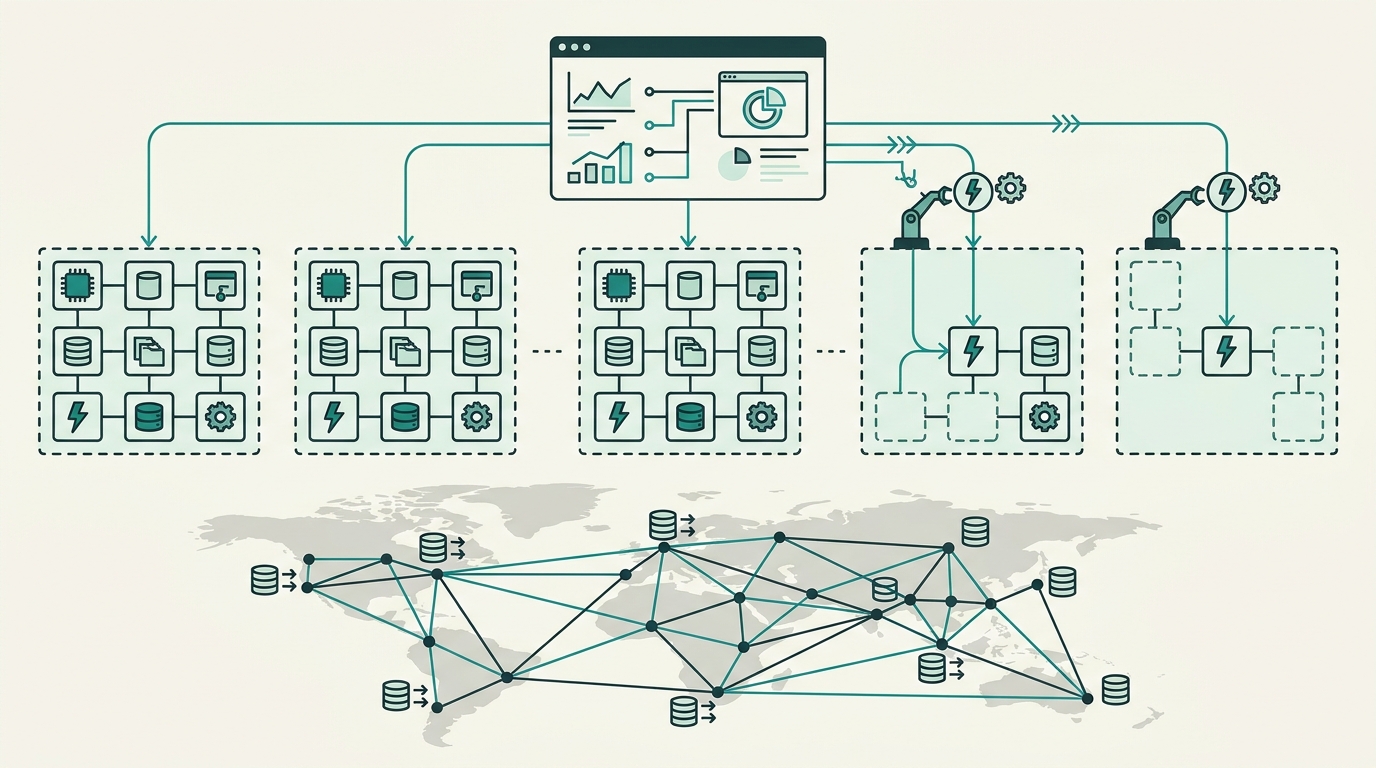
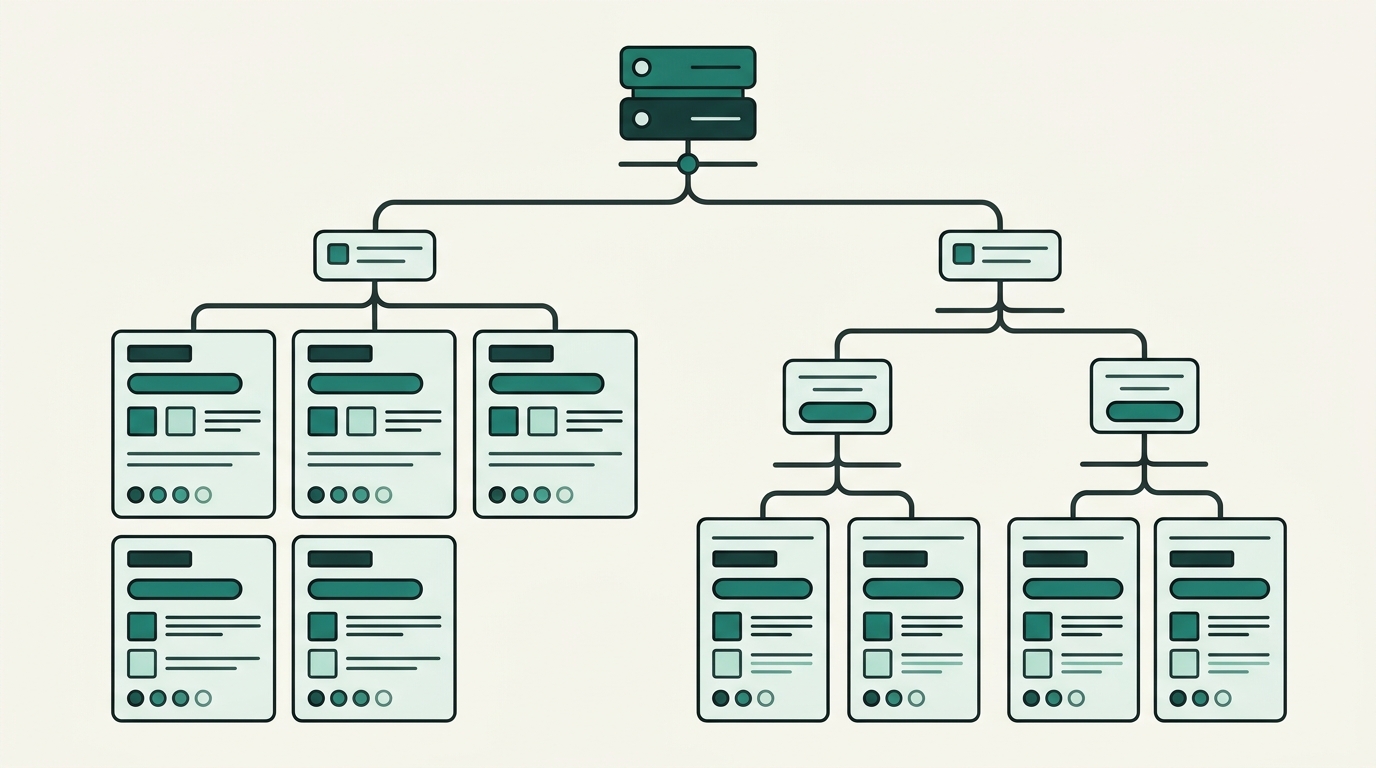
A multi-tenant blogging platform is a system where multiple users (tenants) share the same infrastructure but manage their own independent blogs, websites, or online stores. Each tenant gets a separate dashboard, domain or subdomain, content space, and customization options, without needing to worry about server management.
Think of it like an apartment building: everyone lives in the same structure, but each resident has their own private apartment.
| Hosting | Self-hosted, requires setup | Fully managed, no server hassle |
| Domains | Manual domain setup | Auto subdomain + custom domain support |
| Scalability | Limited, plugins-heavy | Built-in features, cloud-ready |
| SEO Tools | Manual plugins required | Built-in SEO Info Management |
| Security | Manual updates & patches | Centralized, SaaS-level security |
👉 In short: a SaaS blogging platform like Dev Dominion lets creators focus on content & growth, not technical headaches.
Not all platforms are created equal. Here are the must-have features to look for (and where Dev Dominion stands out).
Brand identity matters. With Dev Dominion, you can host your blog on a custom domain (yourname.com) or a subdomain (yourname.devdominion.com) instantly. This boosts SEO authority and credibility.
The world is multilingual. Dev Dominion makes it easy to run blogs in multiple languages, including full RTL support for Arabic, Hebrew, and more. This feature is a game-changer for creators targeting global audiences.
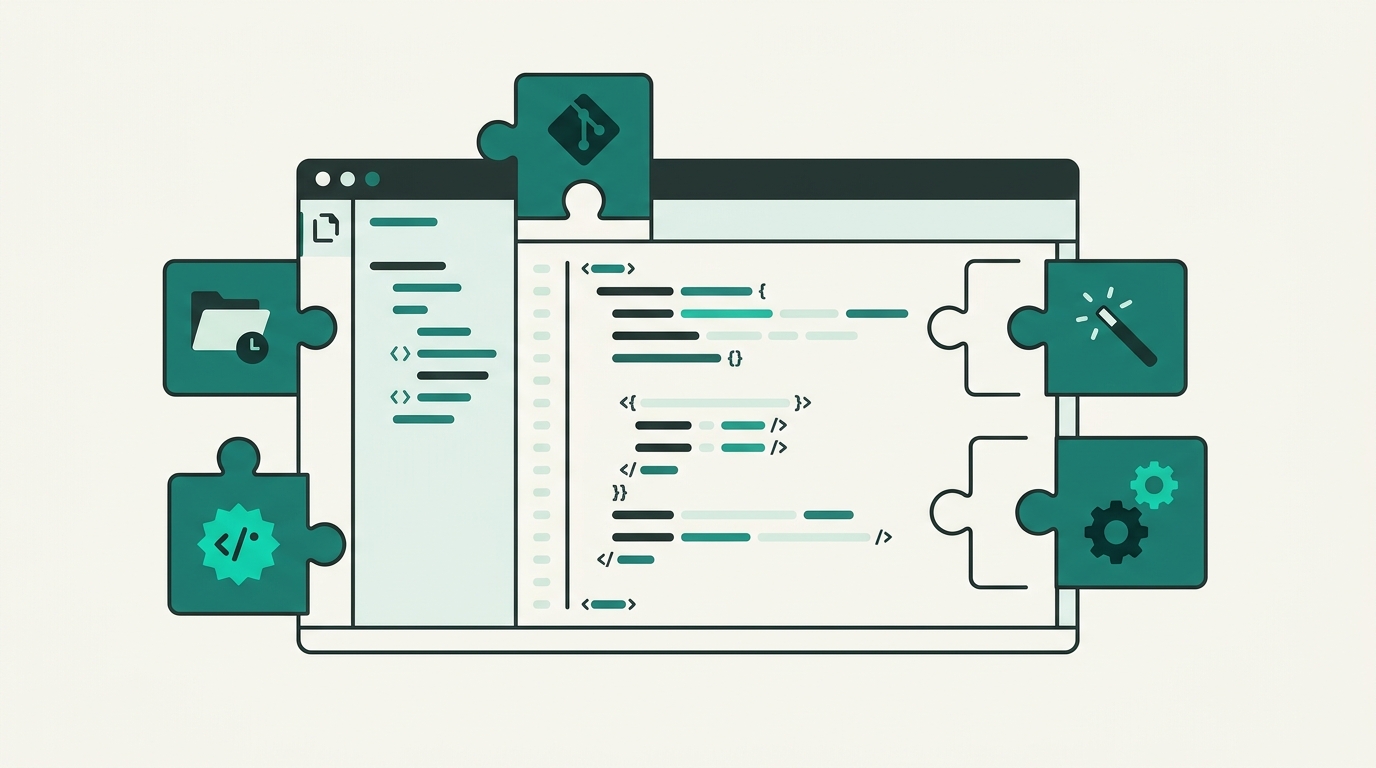
Why install 10 plugins when you can have everything built-in? Dev Dominion includes:
SEO Info Management (titles, descriptions, schema support)
Google Analytics integration
Facebook Pixel tracking
Social sharing tools
This means bloggers can optimize their content from day one.
Blogging is no longer just about writing—it’s about earning. Dev Dominion includes ecommerce blogging features such as:
Digital + physical product management
Shopping cart & checkout
Coupon & flash sales
Invoices & tax support
Product ratings & reviews
With Google reCAPTCHA, secure login, and role-based permissions, tenant blogs stay safe while allowing flexible team management.
Cost Efficiency – Shared infrastructure reduces hosting & maintenance costs.
Scalability – Instantly handle more blogs, users, or ecommerce traffic.
Ease of Use – Drag & drop menus, prebuilt templates, and one-click customization.
SEO-Ready – Built-in optimization ensures blogs are search-friendly from day one.
Faster Time-to-Market – Launch a blog in minutes, not weeks.
At Dev Dominion, we believe blogging should be powerful, scalable, and future-ready. That’s why we’ve built features that go beyond what traditional CMS platforms offer.
Multilingual & RTL → WordPress needs heavy plugins, we have it built-in.
QR Code Builder → Offline-to-online growth tool you won’t find elsewhere.
Tenant Directory & Community → Built-in backlinks + exposure for bloggers.
Ecommerce Tools → Sell products without relying on WooCommerce or third-party apps.
In short: Dev Dominion is not just a blog host—it’s a growth platform.
Our tenants include lifestyle bloggers, small businesses, ecommerce sellers, and digital creators who’ve grown faster thanks to our all-in-one setup. (Insert testimonials or case studies here for social proof).
Sign up on Dev Dominion.
Choose your domain (custom or subdomain).
Pick a template (7 tenant blog templates available).
Customize your blog with SEO info, logos, menus, and colors.
Publish & grow with analytics, QR codes, and ecommerce.
It’s that simple. No coding, no messy plugins, no headaches.
| WordPress.com | Limited | Plugins only | Plugins required | $$ |
| Wix | Yes | Yes (basic) | Limited | $$ |
| Blogger | No | No | Basic | Free |
| Dev Dominion | ✅ Yes (RTL Supported) | ✅ Full ecommerce suite | ✅ Built-in SEO + Analytics | $ |
👉 This makes Dev Dominion the top WordPress alternative for bloggers who want an SEO-friendly, scalable, multilingual platform.
Blogging is evolving. Multi-tenant blogging platforms are the future—flexible, scalable, and SEO-optimized. Whether you’re a solo creator or a growing business, Dev Dominion gives you the tools to launch, grow, and monetize your blog—all in one place.
👉 Ready to start your blogging journey? Get started with Dev Dominion today.


Leave a Comment