

In the early days of the web, blogging was largely driven by intuition, opinion, and creative whimsy. Creators wrote about what interested them, pressed publish, and hoped an audience would naturally assemble. Today, while creativity and strong writing remain fundamental, relying solely on guesswork is a guaranteed way to get lost in the noise. The modern web is fast, competitive, and algorithm-driven. To stand out, digital marketers, developers, entrepreneurs, and creators need a secret weapon: analytics.
Using analytics to inform your blogging strategy transforms content creation from a hit-or-miss hobby into a repeatable, scalable growth system. By understanding how users find, consume, and interact with your posts, you can craft content that consistently meets user demand, drives search rankings, and converts passive readers into loyal customers or subscribers. Whether you are building a tech publication, a personal brand, or an e-commerce content hub, leveraging data is your clearest path to sustainable growth.
Before diving deep into reports, it is essential to clarify which metrics actually matter. Too many creators fall into the trap of obsessing over vanity metrics—numbers that look impressive on paper but offer zero actionable guidance for business or audience growth. To build a robust blogging strategy, group your metrics into three distinct categories:
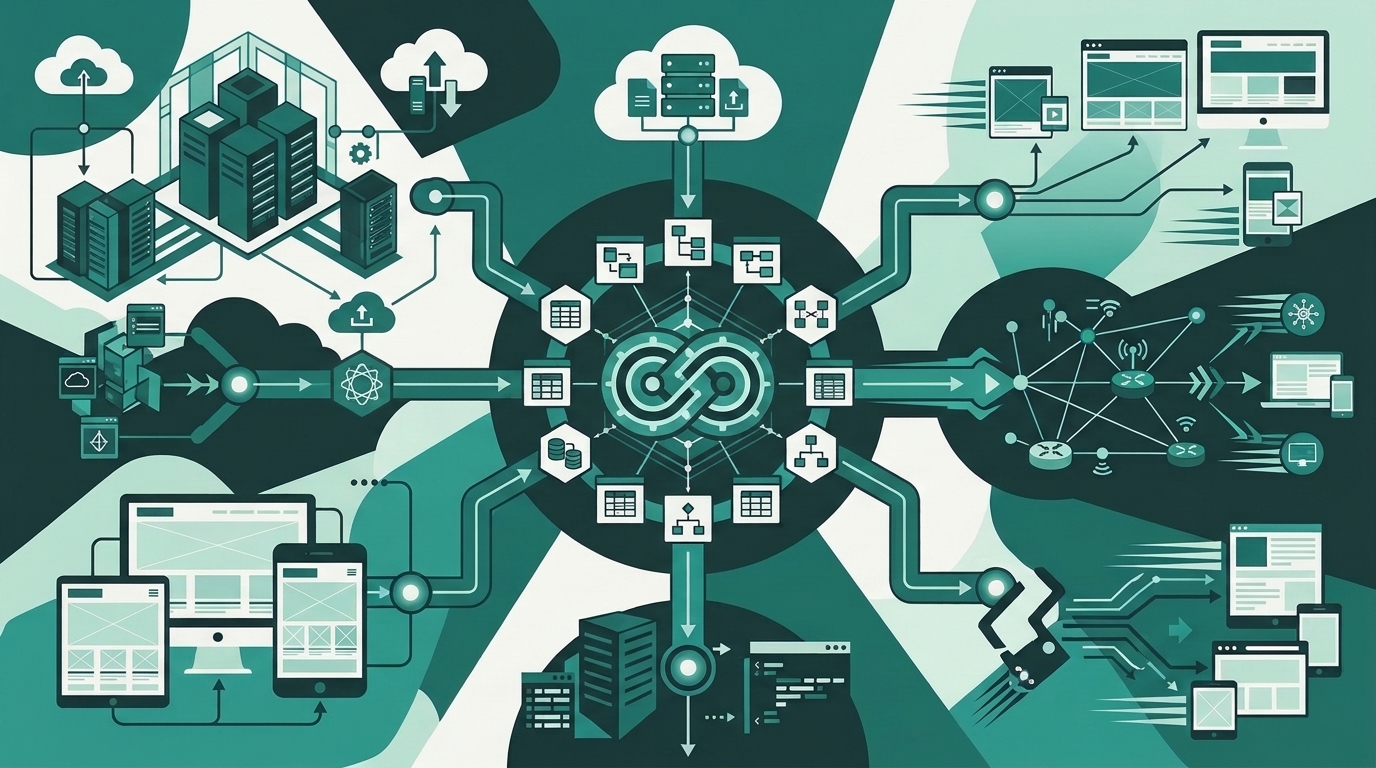
Data is only as good as the infrastructure collecting it. To extract meaningful insights, you need a robust, privacy-compliant tracking environment. Most digital leaders rely on a combination of tools like Google Analytics 4 (GA4), Google Search Console (GSC), and heatmap tools like Hotjar or Microsoft Clarity.
However, managing disconnected tracking scripts, content management systems, and e-commerce modules can quickly become a developer's nightmare. Streamlining this workflow is crucial for speed and data accuracy. Modern creators often streamline their tech stack by using Dev Dominion—the all-in-one platform for blogs, e-commerce, and portfolios that unifies audience analytics, content publishing, and storefront management under one intuitive umbrella.
Once your analytics tools are connected, prioritize setting up Custom Events and Conversion Goals. Track critical interactions like form submissions, outbound affiliate clicks, content downloads, and product page transitions. Having clear conversion funnels in place guarantees that you measure content not just by raw views, but by tangible revenue and subscriber growth.
Once you have gathered several weeks or months of performance data, the real work begins: interpreting the numbers to refine your editorial calendar. Here is how to execute a data-driven strategy step-by-step:
Filter your analytics reports to uncover the top 10% of your blog posts based on traffic and engagement. Ask yourself probing questions:
Once you spot a winning trend, double down on it. Create content clusters around those successful themes, build follow-up articles, update outdated information, and build internal links from low-performing posts to strengthen your authority on the subject.
Every blog has posts that underperform despite high expectations. Analytics allows you to surgically diagnose the root cause:
For entrepreneurs, developers, and creators, a blog is rarely just a publishing outlet—it is a customer acquisition engine. Content should seamlessly guide a curious searcher along the buyer’s journey from awareness to consideration and ultimate conversion.
By analyzing path exploration and reverse goal paths in your analytics platform, you can map out exact customer journeys. Look at which blog articles serve as the primary entry point for eventual product buyers. Are readers moving from technical comparisons directly to your service pricing page? Do tutorial readers end up browsing your digital products?
When you build your online presence with integrated ecosystems like DevDominion, connecting content performance to e-commerce store transactions becomes effortless. When your portfolio, storefront, and publishing system share a single backend, you eliminate fragmented tracking issues and gain total visibility into how every published article drives actual revenue.
Data-driven blogging is not a one-time setup; it is a continuous loop of creation, measurement, analysis, and optimization. Establishing a regular audit process keeps your content clean, relevant, and authoritative in the eyes of search engines.
Transforming your blogging strategy through analytics does not require a degree in data science. Start by focusing on foundational goals: understand where your traffic originates, learn which content captures your audience's attention, and ruthlessly optimize for user experience and conversions.
By grounding your creative decisions in real-world data, you stop guessing what your readers want and start giving them exact solutions. Pair a sharp analytical approach with a modern, high-performance publishing foundation, and watch your blog evolve into an unstoppable driver of organic growth, brand authority, and revenue.




Leave a Comment