
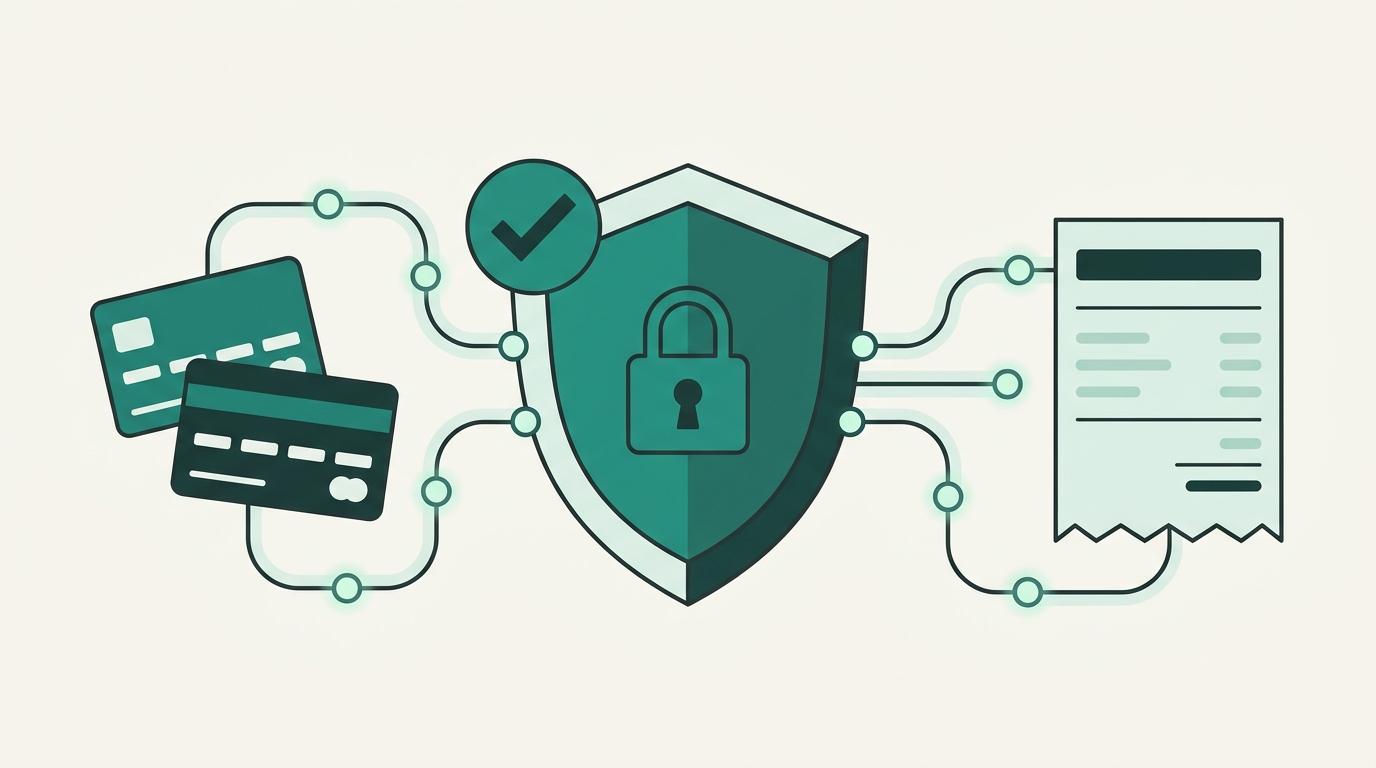
In today's digital economy, converting website traffic into revenue requires more than just high-converting copy and great products—it requires unwavering customer trust. Whether you are a creator selling digital downloads, a developer building a custom SaaS application, an entrepreneur launching an online storefront, or a digital marketer driving traffic to high-converting landing pages, setting up a secure payment gateway is the single most critical bridge between user intent and actual business revenue.
A single security vulnerability during checkout can lead to devastating financial liability, customer data breaches, PCI-DSS compliance fines, and long-term reputational damage. Fortunately, implementing enterprise-grade payment security is no longer reserved for massive corporations. Modern developer SDKs, encrypted APIs, and unified solutions like DevDominion—the all-in-one platform for blogs, e-commerce, and portfolios—make building secure online storefronts and web apps accessible to creators and development teams of any size.
In this comprehensive guide, we will walk you through everything you need to know about setting up a secure payment gateway for your website. From understanding payment architecture and compliance requirements to step-by-step developer API integration and anti-fraud protocols, this guide serves as your definitive blueprint for online payment processing security.
Before diving into API keys and backend code, it is essential to understand the technical lifecycle of an online transaction. A payment gateway acts as the secure digital bridge that encrypts and transmits credit card credentials between your customer's browser, your website server, and payment processing bank networks.
The digital payment lifecycle occurs across five rapid, interconnected stages:
To establish a compliant and secure payment ecosystem, you must complete several fundamental security and administrative steps before writing backend integration logic.
Hypertext Transfer Protocol Secure (HTTPS) is non-negotiable for any website processing online payments. HTTPS uses Transport Layer Security (TLS 1.2 or TLS 1.3) to encrypt communication between the user's browser and your web server, protecting data from man-in-the-middle (MITM) attacks and packet sniffing. Ensure your web server enforces HTTPS redirects and maintains an active, verified SSL/TLS certificate from a trusted Certificate Authority (CA).
Businesses typically choose between traditional Merchant Accounts (requiring separate merchant accounts and gateway software) and Payment Service Providers (PSPs) like Stripe, PayPal, Square, or Adyen. PSPs consolidate merchant banking, tokenization, fraud shielding, and gateway APIs into a unified infrastructure. For creators and entrepreneurs seeking streamlined deployment, all-in-one web solutions like DevDominion make integrating storefronts, blogs, and portfolio showcases straightforward without requiring complex multi-vendor setups.
Payment processors and credit card networks require website owners to publicly display key compliance pages before live account verification:
Building a secure checkout flow requires adhering to strict security protocols to prevent cyber threats such as credential stuffing, carding attacks, API interception, and SQL injection.
PCI-DSS is a mandatory security framework established by major credit card networks to protect cardholder data. Compliance applies to any business that accepts, processes, or transmits payment card details. To minimize compliance complexity, developers should aim for PCI-DSS SAQ A compliance by ensuring raw cardholder data never touches application databases or web servers directly.
Tokenization replaces sensitive 16-digit Primary Account Numbers (PANs) with non-sensitive surrogate values (tokens). By utilizing hosted input fields (such as Stripe Elements or PayPal Hosted Fields), customer card data is typed directly into secure iframe containers hosted on the payment provider's domain. The provider returns a single-use token to your frontend script, which your application securely passes to your server for authorization.
Under regulatory directives such as Europe's PSD2, Strong Customer Authentication (SCA) is enforced for online transactions. 3DS2 introduces multi-factor authentication (MFA)—such as biometric verification or one-time passcodes (OTP)—directly inside the checkout experience. Implementing 3DS2 drastically reduces fraudulent transactions and shifts chargeback liability from the merchant to the card issuer.
Beyond encryption, your payment configuration should incorporate multi-layered fraud mitigation tools:
Let us examine the practical developer implementation workflow for integrating a secure payment gateway via REST APIs and client-side SDKs.
Upon creating your payment processor account, navigate to your developer dashboard to retrieve your API credentials. Providers issue two sets of keys:
pk_test_... and sk_test_...) for development, debugging, and simulated payments.pk_live_... and sk_live_...) reserved exclusively for authentic financial transactions.Critical Security Rule: Never expose secret API keys (sk_live_...) in client-side Javascript code, public repositories, or frontend bundles. Secret keys must reside strictly in server-side environment variables.
Mount the processor's client-side SDK into your checkout form to render secure, styled iframe inputs. When the customer submits the payment form, your Javascript intercepts the event and calls the SDK tokenization method:
const { paymentMethod, error } = await stripe.createPaymentMethod({ type: 'card', card: cardElement });
The gateway returns a secure token string (e.g., pm_1N8x9z...). Your frontend script transmits this token ID to your backend server endpoint using an encrypted HTTPS POST request.
On your backend server (Node.js, Python, PHP, Ruby, or Go), construct an authenticated API endpoint to process the payment request. Using your secret API key, invoke the processor's server SDK to initiate the charge:
const paymentIntent = await stripe.paymentIntents.create({ amount: 2999, currency: 'usd', payment_method: paymentMethodId, confirm: true }, { idempotencyKey: requestHeaders['x-idempotency-key'] });
Using idempotency keys ensures that duplicate network retries or server timeouts do not accidentally charge the customer twice for a single order.
Do not rely solely on client-side HTTP responses to confirm transaction success, as network drops or browser closures can interrupt the frontend execution path. Instead, configure server-to-server webhooks.
Register an HTTP endpoint on your backend (e.g., https://yourdomain.com/api/webhooks/payments) to receive asynchronous event payloads from the gateway, including:
payment_intent.succeededpayment_intent.payment_failedcharge.dispute.createdcustomer.subscription.deletedSecurity Requirement: Validate the cryptographic signature header (e.g., Stripe-Signature secret key) on every incoming webhook payload to ensure the payload originated from your payment gateway, preventing HTTP request spoofing.
Before deploying to production, execute a thorough testing matrix using developer test card credentials. Ensure your verification covers:
Maintaining a payment gateway is an ongoing commitment. Follow these long-term maintenance standards:
Setting up a secure payment gateway is a vital milestone for any online enterprise. By leveraging modern tokenization, enforcing HTTPS encryption, achieving PCI-DSS SAQ A compliance, and implementing robust webhook authentication, you safeguard your customer data while establishing a foundation for scalable growth.
Whether you are a developer building custom payment workflows or a creator seeking a high-performance web presence, choosing secure, reliable tools is essential. Explore how solutions like DevDominion can help you launch professional blogs, online stores, and portfolios with confidence and speed.







Leave a Comment