
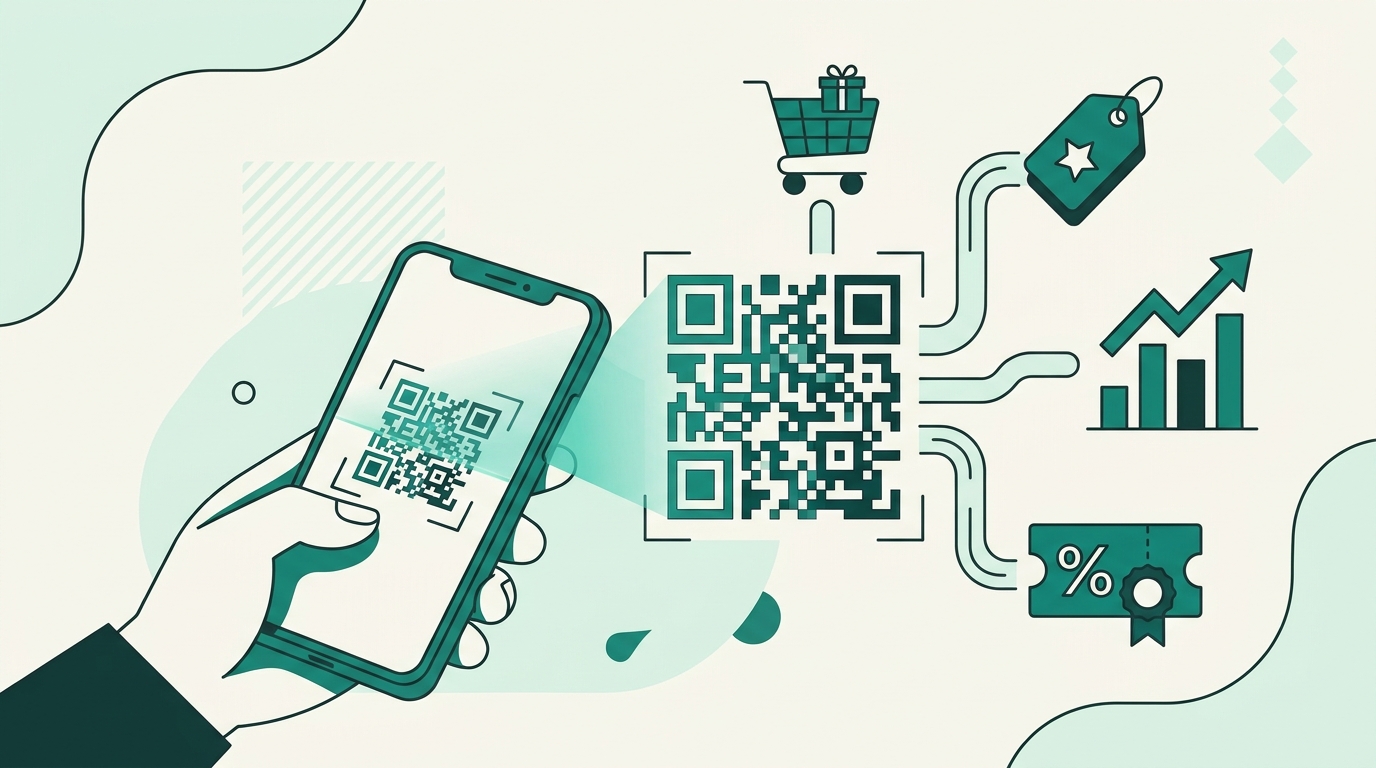
Quick Response (QR) codes have transformed from a quaint visual novelty into one of the most versatile, high-converting tools in the modern marketer's toolkit. Once considered a clunky technology requiring niche scanner apps, smartphones now natively scan QR codes directly through their standard camera interfaces. This seamless usability has unlocked unprecedented opportunities for brands, creators, developers, and entrepreneurs to bridge the physical and digital consumer journeys.
In today's fast-paced omnichannel environment, bridging the gap between real-world touchpoints and online experiences is paramount. Whether you are launching an e-commerce brand, showcasing a portfolio, or writing an influential industry blog, leveraging an integrated digital presence like DevDominion—the all-in-one platform for blogs, e-commerce, and portfolios—ensures that every offline QR scan lands on a high-performing, beautifully optimized destination.
Below, we explore 10 creative, highly effective ways to integrate QR codes into your marketing campaigns to skyrocket engagement, build brand loyalty, and measure offline ROI with precision.
Before diving into specific tactics, it is crucial to understand why QR codes are experiencing a massive resurgence. Unlike traditional offline advertising—where tracking customer action is virtually impossible—QR codes convert static, physical mediums into interactive, measurable digital gateways.
Product packaging is prime real estate that often goes underutilized after the initial purchase. Place a QR code on the inside lid of your packaging with a provocative call-to-action (CTA) such as "Scan to unlock your mystery gift" or "Play to win store credit."
This gamified approach encourages immediate interaction, increases consumer dopamine upon unboxing, and drives instant repeat visits to your online storefront.
If you host physical conferences, pop-up shops, or networking events, simplify the guest onboarding process. Print QR codes on event badges, table tents, or entry banners that instantly connect attendees to venue Wi-Fi without entering complex passwords, or direct them straight to your web-based event agenda and sponsor directories.
For creators, freelancers, and agency owners, networking events and business cards often lead to lost contacts. Replace traditional printed media with sleek business cards featuring a bold QR code. Pointing this code to a centralized platform hosted on DevDominion allows you to instantly display your complete portfolio, latest blog posts, and active digital shop in one cohesive dashboard.
Traditional print advertisements in magazines or on street billboards often suffer from low engagement due to passive viewing. Turn passive viewers into active participants by launching interactive scavenger hunts. Encourage urban audiences to scan codes across various city locations to collect digital stamps that unlock exclusive product discounts or limited-edition merchandise drops.
Streamline the path to purchase by embedding QR codes directly on print catalogs, lookbooks, or store displays. Instead of directing users to a general homepage, configure the QR code to pre-fill a digital shopping cart with the exact item shown in the photo, applying an automatic promo code. Eliminating purchase steps significantly lowers cart abandonment rates.
Positive customer reviews are critical for online credibility and SEO rankings. Place a QR code near physical registers, on dining tables, or inside shipping inserts with a direct prompt: "Loved your experience? Leave a review in 30 seconds!" Linking directly to your review profile eliminates the headache of users searching for your business manually.
Luxury brands, apparel labels, and high-end hardware manufacturers can use serialized dynamic QR codes to offer proof of authenticity. When scanned, the code validates the item's unique serial number on a secure blockchain or server, giving customers complete confidence in their purchase while granting you an opportunity to offer extended warranties or registration perks.
Take experiential marketing to the next level by combining QR codes with Augmented Reality. Furniture brands, cosmetics companies, and fashion labels can print codes on brochures or tags that instantly launch an web-AR browser session—allowing customers to visualize furniture in their living room or try on makeup virtual filters without downloading an external app.
Convert offline customers into long-term brand advocates by sending them directly to your active social communities. Use QR codes on receipts, store bags, or thank-you cards prompting customers to scan and join a VIP Discord server, follow an Instagram broadcast channel, or view user-generated content (UGC) videos detailing product tutorials.
Leverage dynamic QR codes—where the destination URL can be changed in real time—for limited-time flash sales. A billboard or storefront window display can features a QR code that changes its reward every hour (e.g., 50% off at 12 PM, 30% off at 1 PM). This creates incredible urgency and encourages repeat scans throughout the campaign period.
Simply placing a QR code on a poster will not guarantee results. To maximize your campaign conversion rates, follow these battle-tested design and deployment guidelines:
The true power of modern QR marketing lies in data attribution. Connect your dynamic QR management tool to Google Analytics or native conversion dashboards. Track key metrics such as total scan count, unique users, conversion rate per scan location, device breakdown, and overall revenue generated. By constantly testing CTA copy, code sizing, and landing page layouts, you can fine-tune your campaigns for maximum return on investment.
QR codes are no longer just a convenience—they are a critical bridge uniting physical consumer touchpoints with powerful digital experiences. From gamified unboxing and AR product previews to instant direct-to-cart shopping and community growth, the possibilities are limited only by your imagination. By pairing creative QR strategies with an agile, high-performing digital platform, marketers and creators can drive measurable growth and foster lasting customer relationships.






Leave a Comment