
The conversation around remote work has evolved far beyond emergency Zoom setups and makeshift kitchen table desks. As we look ahead to 2027, distributed work has transitioned from a reactionary experiment into an intentional, highly engineered operating philosophy. For digital creators, software developers, indie entrepreneurs, and performance marketers, flexibility is no longer a perk—it is the foundational infrastructure upon which high-leverage careers and scalable digital businesses are built.
The coming year marks a decisive break from the hybrid compromises that dominated the mid-2020s. We are witnessing the arrival of fully asynchronous collaboration, autonomous AI teammates, cross-border digital taxation treaties, and a radical reimagining of personal lifestyle design. In this deep dive, we explore the structural shifts shaping remote work in 2027 and outline concrete frameworks to help you position your business, workflow, and lifestyle for sustained competitive advantage.
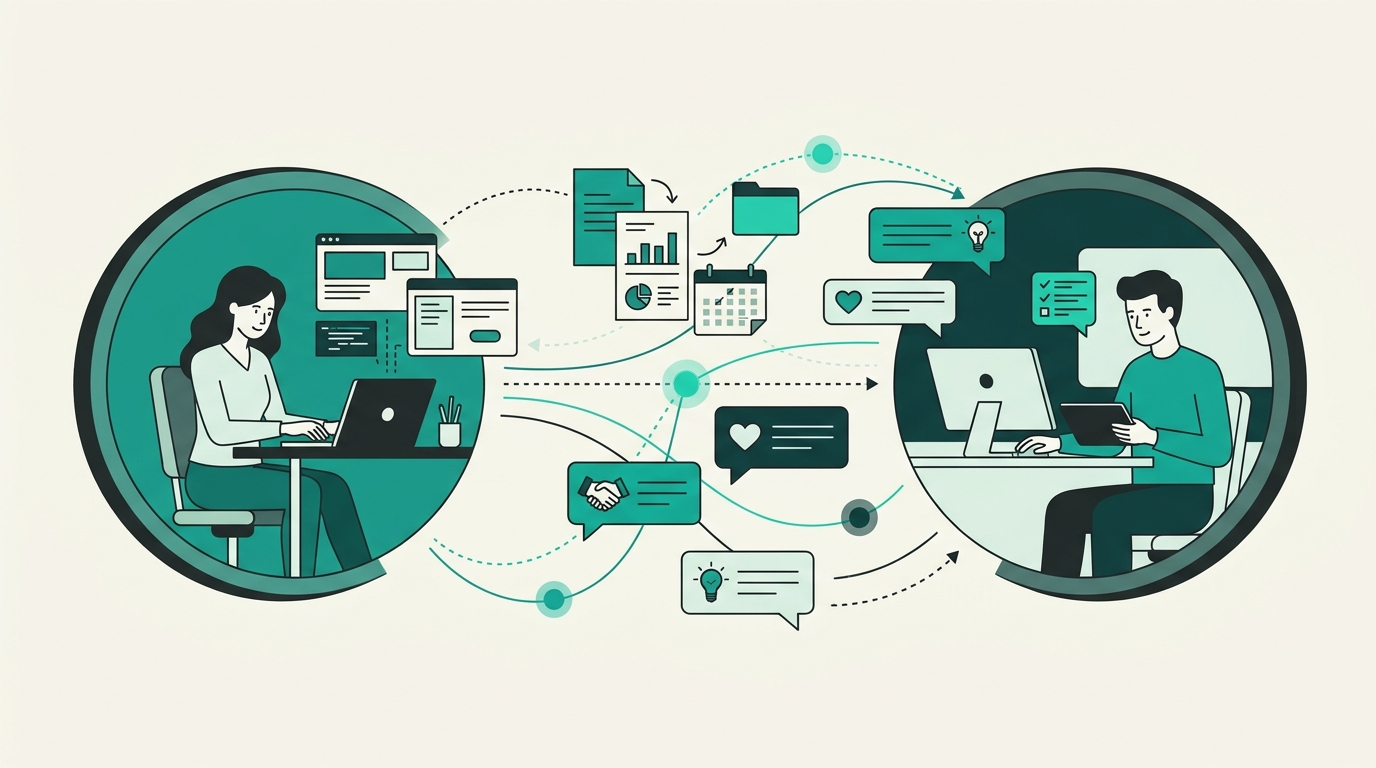
For years, many companies claimed to be remote while clinging tenaciously to synchronous office rituals: 8-hour Slack presence requirements, back-to-back virtual standups, and intrusive keystroke monitoring. By 2027, the market has ruthlessly exposed the inefficiency of this 'pseudo-remote' culture. Top-tier engineering teams, product studios, and creator collectives operate on strict asynchronous-first architectures.
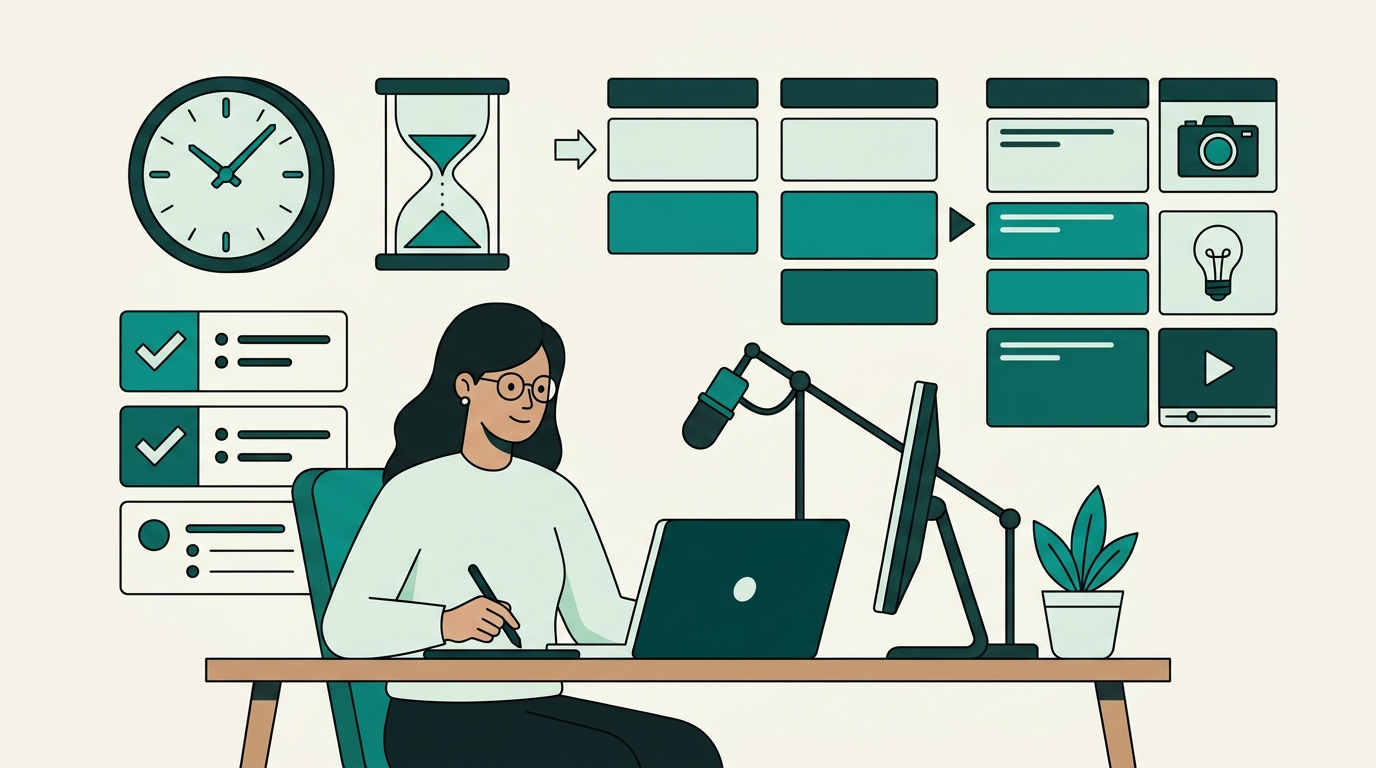
Knowledge workers are deliberately structuring their days around high-cognitive flow states rather than 30-minute meeting intervals. Key mechanisms powering this transformation include:
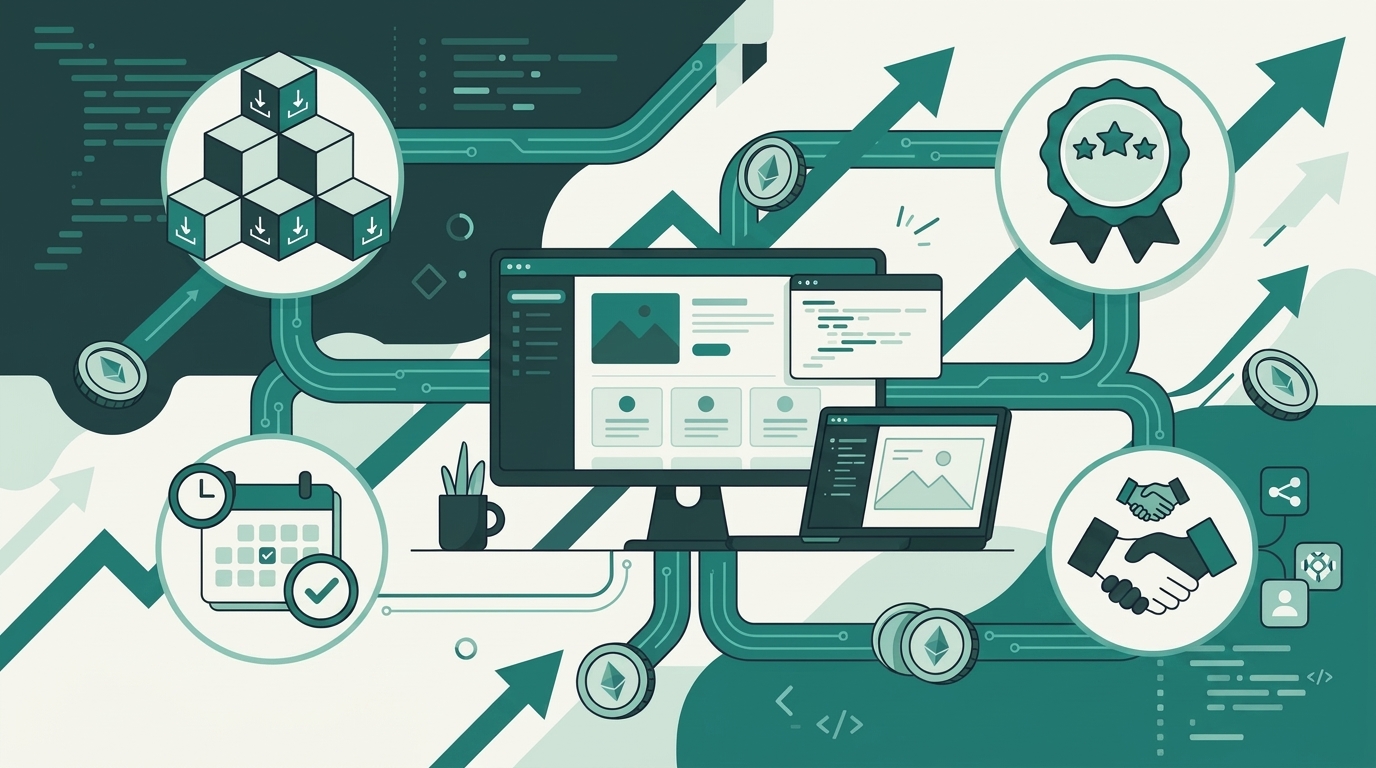
For independent entrepreneurs and digital marketers managing distributed talent, establishing centralized hubs for your digital assets is paramount. Building your ecosystem with platforms like Dev Dominion—which provides an all-in-one platform for blogs, e-commerce, and portfolios—ensures that client showcases, storefronts, and content funnels remain effortlessly organized and globally accessible without engineering friction.
By 2027, artificial intelligence has migrated out of chat prompts and integrated directly into project management pipelines as autonomous, persistent agents. Remote teams no longer look at AI merely as a brainstorming assistant; it functions as an omnipresent junior engineer, research analyst, and operational coordinator.
Solo entrepreneurs and lean squads of two or three specialists are routinely generating the business output once associated with 40-person agencies. Autonomous workflows handle routine tasks with remarkable reliability:
This allows human team members to concentrate exclusively on creative synthesis, product taste, high-stakes negotiation, and deep strategic planning.
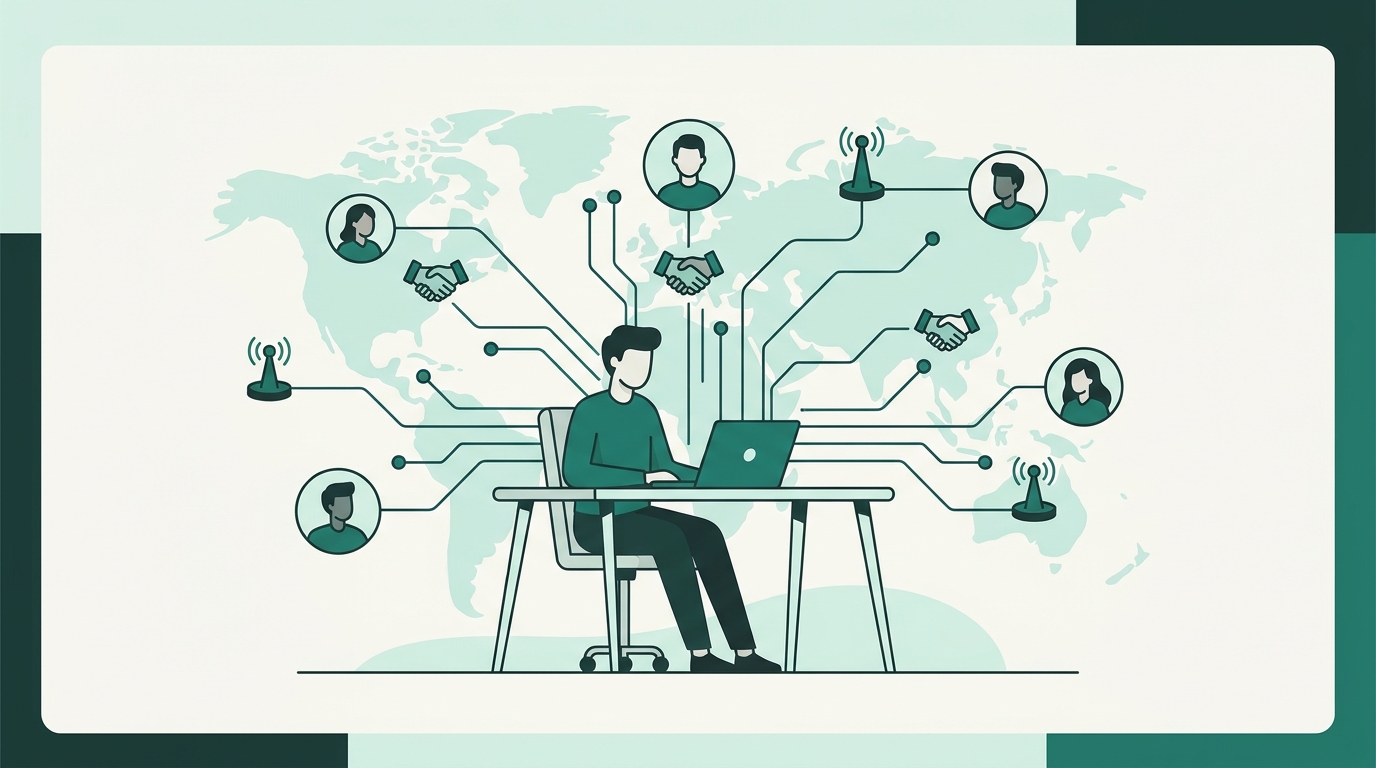
Hiring global talent historically meant navigating opaque intermediary payroll corporations, predatory exchange spreads, and fragmented legal jurisdictions. In 2027, cross-border compensation has achieved unprecedented liquidity and compliance standardization.
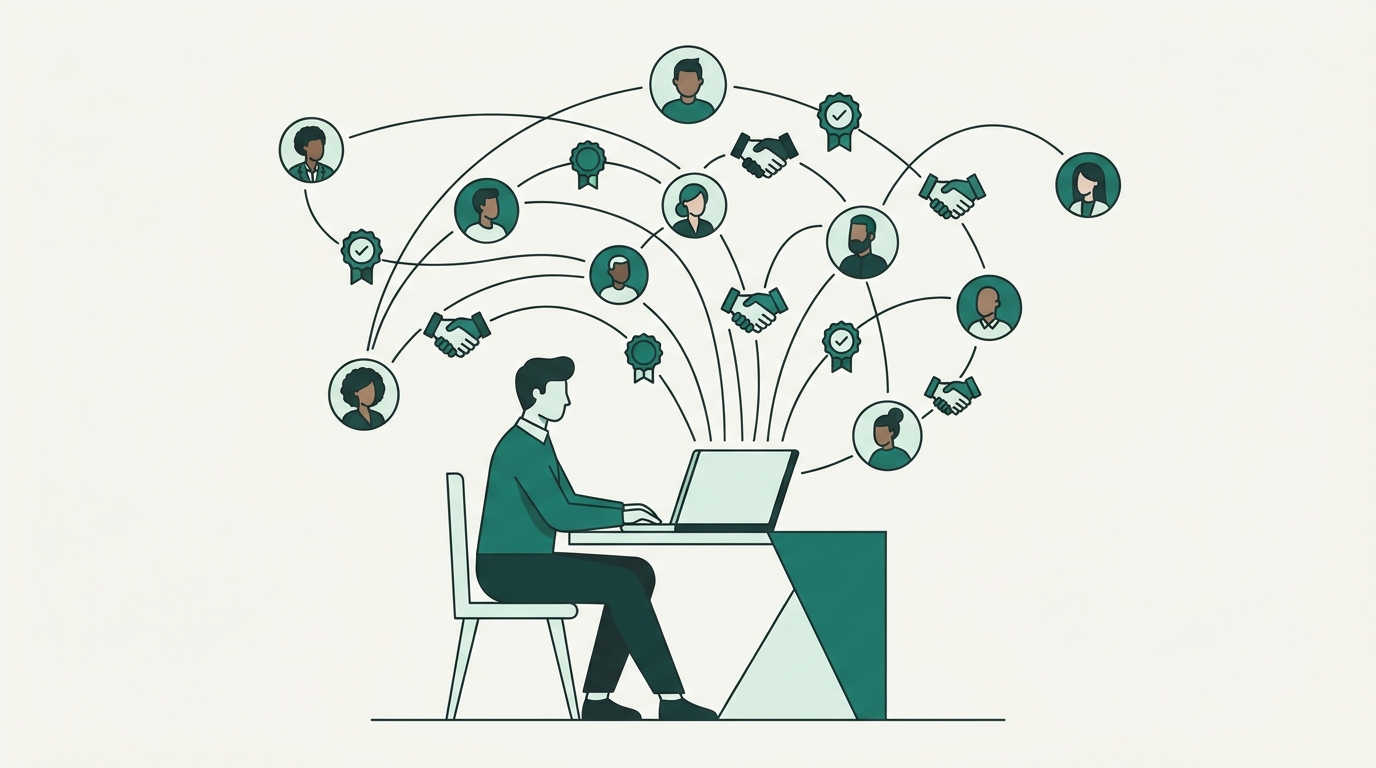
Digital contracts are governed by standardized international freelance frameworks, instant multi-currency settlement networks, and algorithmic tax compliance rails. Distributed professionals frequently opt for hybrid compensation structures that combine sovereign fiat currencies, yield-generating stable assets, and programmatic equity vests delivered directly to cryptographic custody vaults. This financial fluidity empowers builders to live wherever their personal purchasing power and lifestyle preferences thrive, completely uncoupled from legacy regional wage ceilings.
The original digital nomad movement was largely characterized by young backpackers hopping between budget hostels. By 2027, the demographic has matured into serious entrepreneurs, senior developers, and multi-disciplinary creators seeking long-term operational resilience and geographic diversification.
Rather than constant nomadic relocation, modern remote professionals favor a predictable multi-hub strategy:
While the autonomy of distributed living offers unparalleled freedom, remote workers in 2027 are intensely mindful of the hidden taxes: screen exhaustion, isolation, and blurred boundaries between vocational drive and personal domestic life. Thriving in an asynchronous environment demands relentless cognitive hygiene.
The future of remote work is neither a corporate mandate to be endured nor a chaotic free-for-all. It is an intentional design choice for those who value autonomy, efficiency, and craft. By mastering asynchronous documentation, leveraging autonomous AI agents, structuring borderless income streams, and maintaining protective boundaries around mental well-being, creators and developers can unlock an unprecedented standard of personal and financial independence.
The tools and infrastructure are already here. The decisive variable is whether you will build a reactive schedule governed by notifications, or intentionally construct a focused lifestyle engine designed for deep fulfillment and global impact.

Leave a Comment