

In today's fast-paced digital economy, content creators, developers, entrepreneurs, and digital marketers face a common, unrelenting challenge: time scarcity. Managing a modern online presence requires wearing an overwhelming number of hats. On any given day, a creator must research trending topics, write long-form articles, record audio or video content, write code, optimize SEO, manage social media channels, engage with followers, and monitor analytics. Without a structured productivity system, this endless loop of tasks quickly leads to cognitive overwhelm, creative fatigue, and ultimate burnout. The fundamental problem isn't a lack of effort or dedication; it is the inefficiency of unstructured workflows. Many creators operate in a reactive state, jumping between disjointed tasks and tools throughout the day. This constant context switching imposes a heavy psychological tax, draining creative energy before meaningful work can even begin. To build a sustainable, profitable digital media brand or development studio, you must transition from working harder to engineering smarter systems. This comprehensive guide dives into high-impact time management techniques tailored specifically for busy content creators, software developers, and digital marketers. By implementing these proven strategies, you will reclaim hours of deep focus each week, multiply your output without sacrificing quality, and build a streamlined ecosystem that supports long-term growth. For knowledge workers and creators, context switching is the single greatest drain on productivity. Computer scientists use the term 'thrashing' to describe a computer operating system spending more time switching between tasks than executing actual code. Human brains suffer from an identical phenomenon known as attention residue. When you shift from writing code or drafting an in-depth article to answering an email or reviewing social media notifications, your attention does not instantly follow. A portion of your cognitive capacity remains anchored to the previous activity. Research indicates that it takes an average of 23 minutes to regain full focus after a minor disruption. For a creator doing this multiple times an hour, up to 40% of daily productive capacity is permanently lost. To eliminate attention residue, successful creators establish rigid cognitive boundaries around their workday, isolating creation from administration and execution from strategy. Adopting structured time management frameworks allows you to organize your mental energy, prioritize high-leverage activities, and execute consistently. Time blocking involves chunking your calendar into dedicated time slots reserved for specific categories of work. Instead of keeping a generic to-do list, every task is assigned a specific time window. To maximize time blocking, pair it with task batching—the practice of grouping similar tasks together to maintain a single cognitive state. For instance: The Pareto Principle asserts that 80% of your results come from 20% of your efforts. In content marketing and digital product development, a small fraction of your output drives the vast majority of audience growth, email subscribers, and revenue. Audit your content channels every quarter to identify your top 20% high-performing assets. Are long-form technical guides generating most of your search traffic? Are your YouTube tutorials driving software sign-ups? Once identified, ruthlessly cut or delegate low-performing, high-effort activities (such as posting daily on platforms with minimal ROI) and double down on your core growth drivers. When everything feels like a priority, nothing is. The Eisenhower Matrix categorizes tasks into four distinct quadrants: High-growth creators protect Quadrant 2 aggressively. Deep, strategic work is where enterprise value and creative differentiation are built. Creative focus behaves like a muscle: it fatigues under continuous strain. Using interval-based focus strategies like the Pomodoro Technique (25 minutes of uninterrupted work followed by a 5-minute break) or 90-minute deep work sprints keeps your mind sharp. During these sprints, implement absolute distraction shields: turn off phone notifications, block social media apps, and inform team members or family that you are offline. These micro-sprints build momentum and turn intimidating projects into manageable milestones. Digital marketers and developer-creators must leverage automation to handle non-creative logistics. Set up automated social media distribution, RSS-to-email newsletter feeds, and cross-platform publishing webhooks. Every manual task you remove gives you back valuable time for creative production. One of the most insidious time-wasters for modern creators, developers, and digital marketers is tech stack sprawl. Managing separate hosting providers, blog platforms, e-commerce engines, portfolio builders, analytics tools, and plugin updates consumes dozens of administrative hours each month. Every disconnected software tool creates a friction point in your publishing workflow. Consolidating your infrastructure into a unified hub dramatically reduces technical maintenance and context switching. For creators seeking a seamless publishing ecosystem, leveraging integrated platforms like DevDominion—the all-in-one platform for blogs, e-commerce, and portfolios—allows you to host your content, showcase project showcases, and sell digital assets without wrestling with fragmented software stacks. By centralizing your digital footprint, you free up energy to focus on what generates income: high-quality creation. Simplifying your software environment yields immediate compound benefits: Working efficiently doesn't mean producing less content; it means maximizing the reach of every piece of content you produce. Successful digital marketers and creators build a systematic content repurposing architecture. Rather than starting from scratch for every channel, follow the Hub-and-Spoke Model: By implementing this framework, a single 3-hour deep work writing session powers your entire content calendar for an entire week across multiple platforms. Time management strategies are useless if your mental energy is depleted. Burnout is a silent productivity killer that erodes focus, dampens creativity, and causes prolonged creative blocks. Sustainable productivity requires proactive energy management. Implement these non-negotiable energy preservation strategies: Time management for creators, developers, entrepreneurs, and digital marketers is not about working at maximum speed every hour of the day. True productivity is about establishing clear priorities, batching deep creative work, automating admin tasks, and consolidating your technical infrastructure. By implementing time blocking, applying the Pareto principle, repurposing pillar content, and adopting consolidated platforms, you can build a thriving, sustainable content engine while maintaining healthy work-life balance. Start today by choosing just two techniques from this guide, applying them to your weekly workflow, and taking back control of your creative output.1. The Hidden Cost of Context Switching in Creative Work
2. Five Core Time Management Frameworks for Creators
A. Time Blocking and Task Batching
B. The 80/20 Pareto Principle for Content Strategy
C. The Eisenhower Matrix: Urgent vs. Important
D. The Pomodoro Technique and Deep Work Sprints
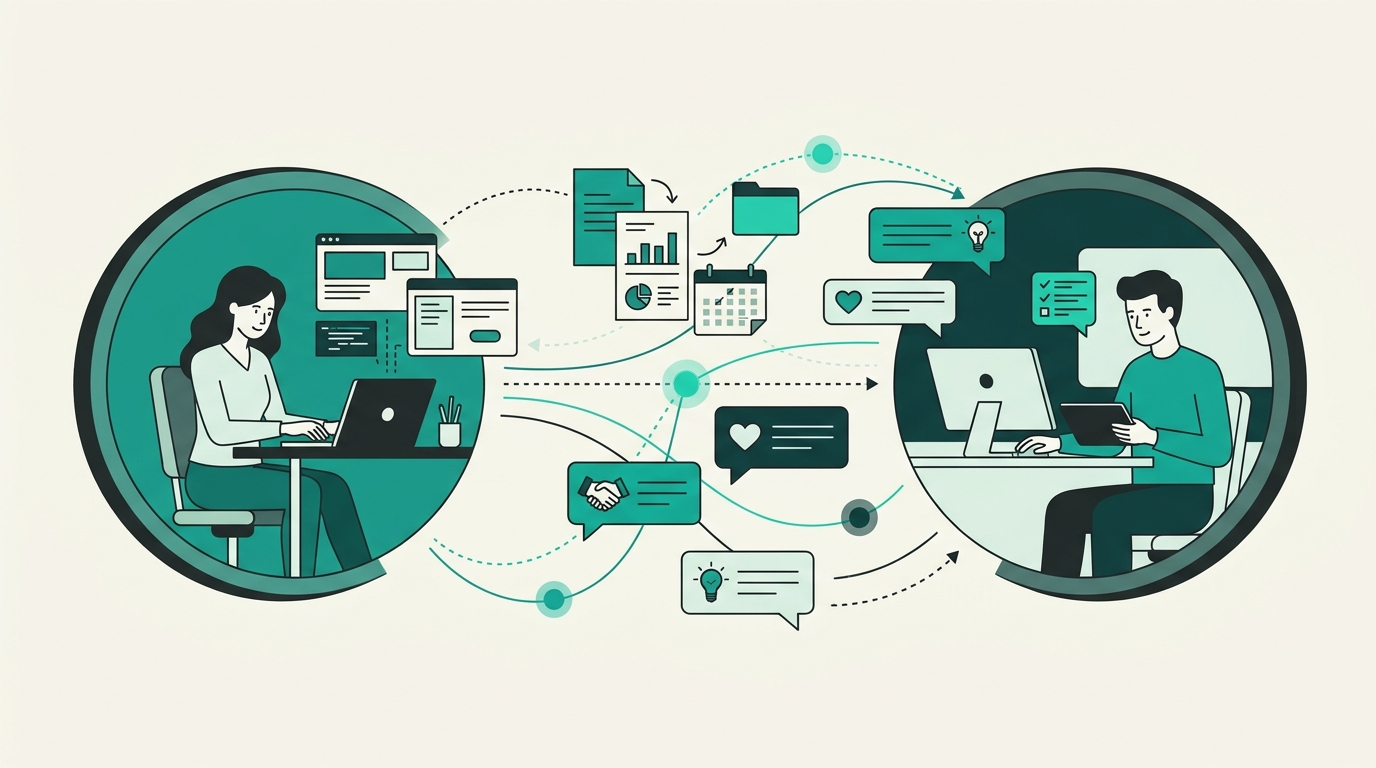
E. Asynchronous Workflows and Automation
3. Streamlining Your Tech Stack to Eliminate Admin Fatigue
4. The Content Engine: Create Once, Distribute Everywhere
5. Protecting Creative Energy & Preventing Burnout
Conclusion: Build Systems That Scale Your Creative Time

Leave a Comment