
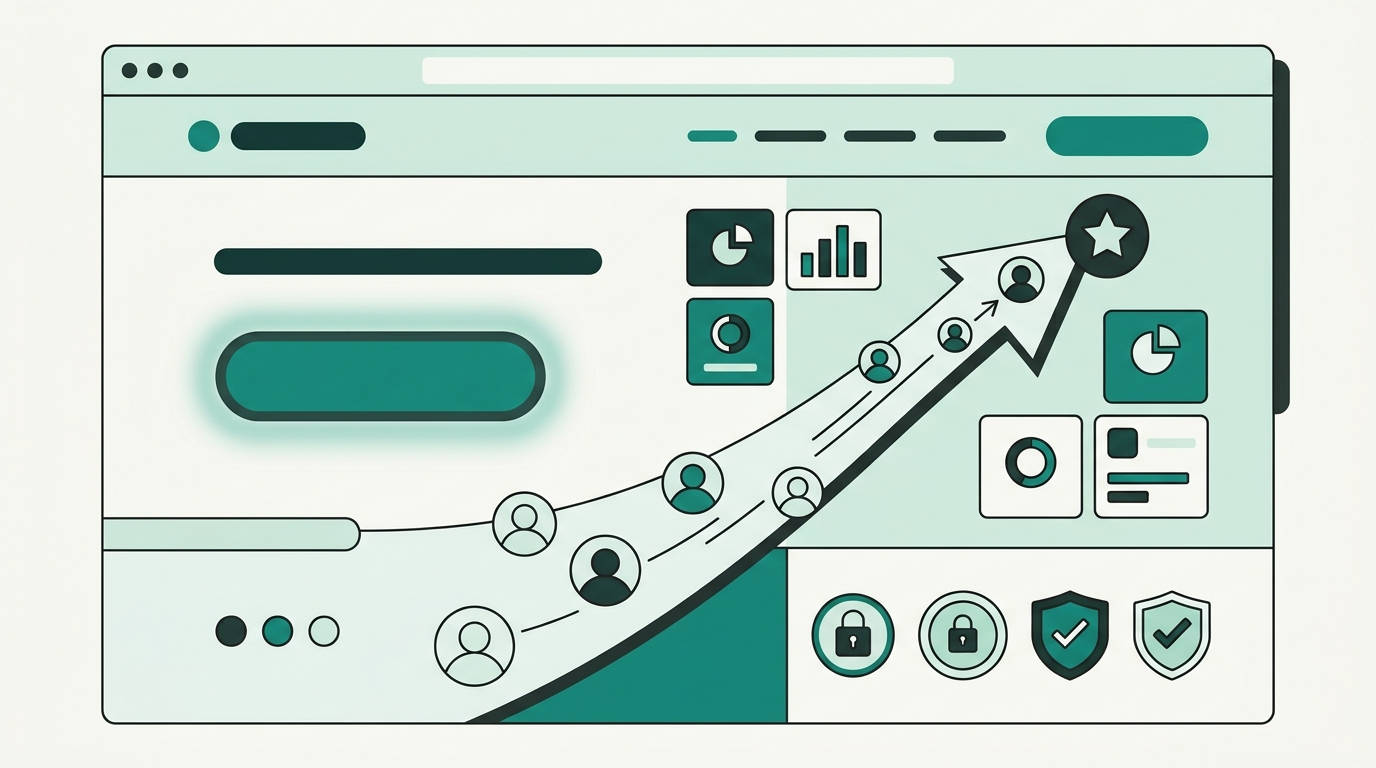
In the fast-paced digital economy, attracting traffic to your website is only half the battle. Whether you are launching an innovative SaaS application, selling a digital course, offering high-ticket consulting, or running a targeted paid ad campaign, directing visitors to an unoptimized landing page is like pouring water into a leaky bucket. A landing page exists for one dedicated purpose: converting passive browsers into active leads, subscribers, or paying customers. Building a high-converting landing page requires a deliberate blend of psychological persuasion, clear visual hierarchy, razor-sharp copywriting, and robust technical performance. When these disciplines align, your conversion rates increase exponentially. In this comprehensive guide, we will break down the proven strategies, structural frameworks, and actionable tactics required to design and deploy landing pages that consistently convert at the highest industry standards. The portion of your webpage visible without scrolling—known as above the fold—is the most valuable real estate on your site. Research indicates that visitors form an opinion about your brand within the first 3 to 5 seconds. To prevent immediate bounces, your hero section must instantly answer three fundamental visitor questions: What is your offer? Who is it for? And why should they care right now? Your main headline (H1) should prioritize clarity over cleverness. Vague slogans or abstract corporate jargon confuse readers and hurt conversion metrics. Instead, craft a bold, benefit-driven statement focused on the core outcome your user desires. Directly beneath your main headline, place a supportive subheadline that expands on your promise by outlining how your product solves the user's key pain point. Complement this messaging with a high-quality product preview, interactive demo, or contextual vector visual that reinforces the value proposition visually. A common pitfall among creators and developers is filling sales copy with technical specifications rather than customer outcomes. While technical capabilities matter, visitors ultimately purchase solutions, time savings, and emotional relief. To craft copy that resonates, map every technical feature directly to a practical user benefit: Modern digital audiences rarely read web pages word for word; they scan for pertinent highlights. Enhance scannability by using short paragraphs, bold lead-ins, structured bullet lists, and visually distinct callout boxes. Keep your tone conversational, direct, and authoritative. User experience (UX) and visual design guide the visitor's focus toward your primary conversion goal. Cluttered layouts generate cognitive fatigue, causing users to abandon the page before taking action. Eye-tracking studies demonstrate that web users scan digital content following predictable visual paths: Your main call-to-action button must command immediate attention. Utilize strong contrast between your button background and your overall page theme. Reserve your primary accent color exclusively for interactive elements to create intuitive visual anchors. Online purchasing decisions are driven by trust. Prospective buyers arrive at your landing page with natural skepticism. Your responsibility is to address and dismantle their objections using undeniable proof. Incorporate diverse social proof elements throughout your page flow: Every element on a landing page exists to drive users toward your single primary CTA. Offering multiple competing actions divides visitor attention and lowers overall conversion performance. Passive text like "Submit" or "Click Here" lacks psychological urgency. Replace passive terms with first-person, value-centric action phrasing: Position your primary CTA above the fold, repeat it after major value sections, and anchor a final CTA section at the bottom of the page. For lengthy sales pages, consider adding a sticky header CTA button that remains accessible as visitors scroll. Page load speed and mobile responsiveness impact both your search engine rankings and conversion rates. A one-second delay in mobile site loading can reduce conversions by up to 20%. Target load times under 2 seconds by compressing images into modern WebP formats, minifying custom CSS and JavaScript files, and implementing clean layout containers. Always test your landing page across desktop, tablet, and smartphone viewports to ensure seamless user experiences on any device. Building scalable digital assets requires dependable software infrastructure. If you are looking for a unified platform to launch your landing pages, blogs, e-commerce stores, and digital portfolios, explore Dev Dominion. Relying on an integrated foundation eliminates setup complexities, accelerates page performance, and streamlines lead generation. Publishing your landing page is only the first step in conversion rate optimization (CRO). Continuous experimentation backed by real user data is essential for long-term growth. Track key performance metrics with modern web analytics tools: Avoid changing multiple design elements simultaneously during tests. Test one variable at a time—such as headline copy, hero images, CTA colors, or pricing card structures. Collect data across a statistically significant sample size before implementing winning changes permanently. High-converting landing pages are not built by chance—they are systematically created through strategic messaging, clean visual design, powerful social proof, and iterative data optimization. By putting user benefits first, stripping away unnecessary navigation, and offering a frictionless conversion path, you turn casual traffic into predictable growth. Ready to deploy high-converting landing pages and scale your online business effortlessly? Visit Dev Dominion to publish your blogs, launch e-commerce products, and showcase your portfolio on an all-in-one modern platform today.1. Above the Fold: First Impressions and Value Proposition
The 3-Second Headline Framework
Supporting Subheadlines and Hero Visuals
2. Persuasive Copywriting: Benefits Over Features
Translating Features into Desirable Benefits
Scannability and Micro-Copy
3. Visual Architecture and UX Hierarchy
The F-Pattern and Z-Pattern Layouts
Color Contrast and Visual Anchors
4. Social Proof and Trust Signals: Overcoming Friction
Essential Types of Social Proof
5. High-Converting Call to Action (CTA) Strategy
Crafting Action-Oriented CTA Copy
Strategic CTA Placement
6. Technical Performance and Platform Selection
Optimizing Speed and Mobile UX
Choosing the Right All-in-One Infrastructure
7. Analytics, A/B Testing, and Iterative Growth
Key Metrics to Monitor
Running Effective A/B Split Tests
Conclusion: Build, Launch, and Scale Today

Leave a Comment