
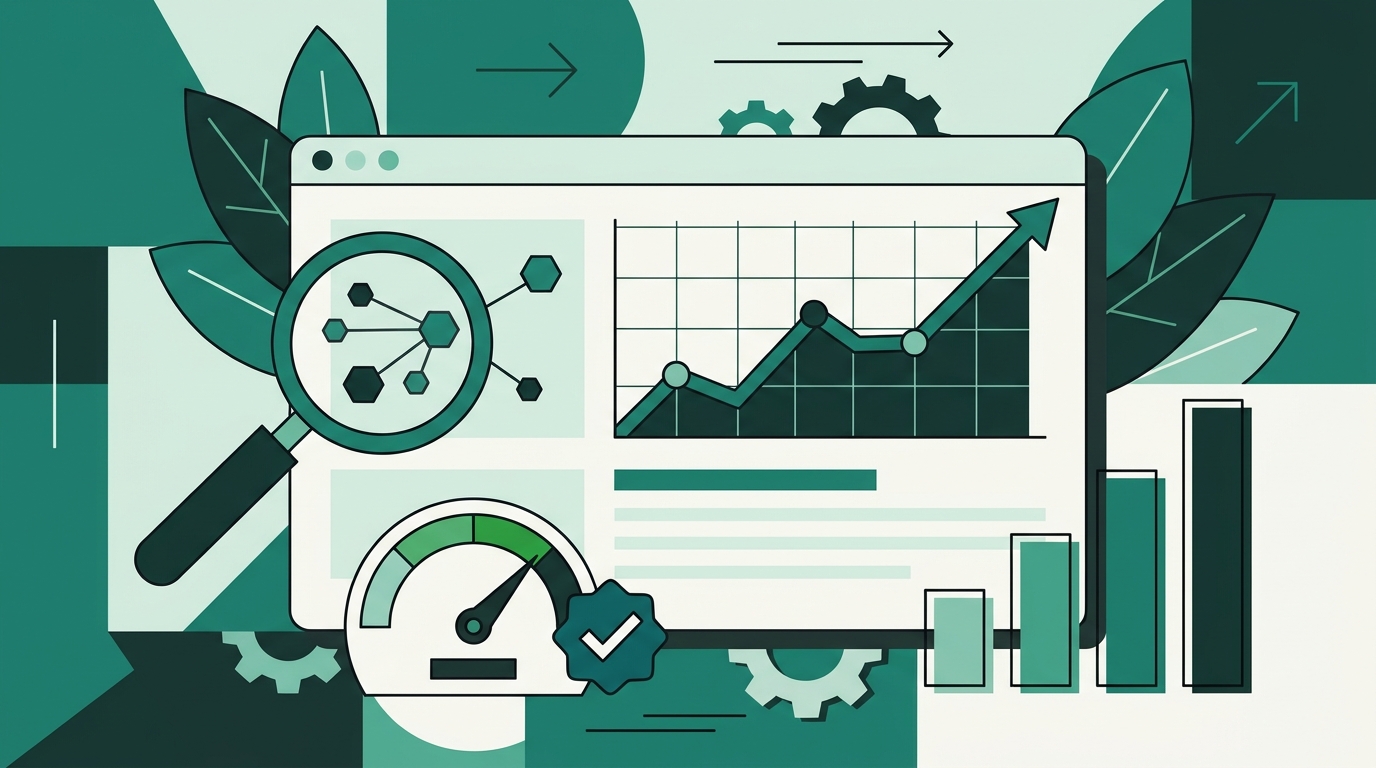
Search engine optimization has undergone a profound paradigm shift over the past few years. The traditional tactics that dominated previous decades—such as exact-match keyword stuffing, basic backlink acquisition, and superficial content churning—are no longer effective. In 2026, content discovery is driven by multi-modal AI systems, intent-focused conversational search engines, and hyper-personalized user experience algorithms. Search engines no longer merely scan for keyword density; they evaluate contextual relationships, recognize structured entities, and measure genuine audience trust. For creators, developers, entrepreneurs, and digital marketers, thriving in this modern ecosystem requires a fundamental shift in mindset. Rather than writing exclusively for legacy search crawlers, forward-thinking publishers now optimize for a dual audience: human readers seeking immediate value and artificial intelligence models looking for clear, authoritative answers. Whether a potential customer discovers your blog post through a traditional search engine results page (SERP) or receives a direct citation from an AI assistant, your content must convey depth, technical precision, and authentic expertise. This ultimate guide provides a comprehensive roadmap for mastering blog post SEO in 2026. From Generative Engine Optimization (GEO) and entity mapping to high-performance platform infrastructure and E-E-A-T compliance, you will master the exact strategies needed to earn top rankings, drive high-intent organic traffic, and establish sustainable digital authority. As conversational AI interfaces and generative search overviews become the primary gateway for online research, getting your content indexed by AI engines is as crucial as ranking on traditional search engines. Generative Engine Optimization (GEO) focuses on structuring and refining your articles so that AI systems can synthesize, quote, and cite your blog posts as primary authoritative references. To maximize visibility within AI-generated search overviews and conversational queries, implement the following tactical methods: Google and major search engines heavily weigh Experience, Expertise, Authoritativeness, and Trustworthiness (E-E-A-T). In an online landscape populated with automated AI content, search algorithms rigorously reward content that offers verifiable Information Gain—meaning fresh insights, original analysis, or hands-on perspectives that do not exist elsewhere on the web. Superficial overviews that simply restate existing search results will quickly lose visibility. To build enduring organic authority, embed these high-value components into every piece of content: Even exceptional long-form content cannot rank if it is handicapped by slow page speeds, cumulative layout shifts, or bloated codebases. Technical SEO establishes the non-negotiable foundation for blog success in 2026. Search engines prioritize websites that deliver flawless Core Web Vitals performance, particularly regarding Interaction to Next Paint (INP) and Largest Contentful Paint (LCP). Publishing your blog on a modern, high-speed platform ensures search engine bots can efficiently crawl and index your pages while visitors enjoy instantaneous load times. Many top creators and growing businesses build on Dev Dominion, an all-in-one platform for blogs, e-commerce, and portfolios designed to deliver lightning-fast speed, automated schema generation, and robust technical optimization out of the box. By relying on optimized platform infrastructure, creators can eliminate technical friction and dedicate their full energy to crafting compelling content. Search engines no longer analyze keywords in isolation; they view queries through the lens of comprehensive topic mastery. To rank consistently in 2026, content creators must organize articles into cohesive Topic Clusters that signal thorough topical authority to search algorithms. A high-ranking topic cluster relies on three structural elements working in harmony: For entrepreneurs and developers managing multiple content channels, utilizing unified platforms like Dev Dominion makes it simple to integrate blogs, e-commerce stores, and developer portfolios under one roof. Maintaining your complete digital presence within a single cohesive environment consolidates domain authority, simplifies internal link structures, and creates a frictionless journey for visiting users. Search engines actively measure post-click user signals to validate whether an article satisfies search intent. Metrics such as dwell time, scroll depth, interaction rates, and low bounce rates directly reinforce your rankings. If users immediately return to search results after clicking your link, search engines degrade your positions. Use this practical checklist to review every blog post before publishing to ensure maximum organic reach and compliance with modern search standards: Succeeding at blog post SEO in 2026 is ultimately about delivering exceptional value through modern channels. By combining Generative Engine Optimization, rigorous E-E-A-T standards, disciplined topic cluster architecture, and high-performance infrastructure, your blog will achieve outstanding visibility across both traditional SERPs and emerging AI search platforms. Start auditing your blog strategy today, optimize your technical stack, and focus on publishing authoritative content that genuinely helps your readers solve real-world problems. Sustained organic traffic belongs to those who build for quality, performance, and long-term user trust.The Evolving Landscape of Blog SEO in 2026
1. Generative Engine Optimization (GEO): Adapting to AI-Driven Discovery
Core Strategies for GEO Mastery
<article>, <section>, <h2>, and <h3>. Augment this with JSON-LD structured data to explicitly define author credentials, publishing organizations, and main topics.2. Mastering E-E-A-T and the "Information Gain" Standard
Demonstrating Real-World Experience and Expertise
3. Technical SEO and High-Performance Platform Infrastructure
Essential Technical Checklist for 2026
4. Intent Matching and Topic Cluster Architecture
Building an Effective Topic Cluster
5. Enhancing Engagement Signals and User Experience
Tactics to Elevate Dwell Time and Engagement
6. Complete On-Page SEO Checklist for 2026
/blog-post-seo-guide-2026) without dates or unnecessary parameters.<h1> for the post title and structured <h2> and <h3> tags for body sections.Conclusion: Dominating Search in 2026 and Beyond





Leave a Comment